

The Atlas Passive Tree in Path of Exile represents more than a collection of bonuses; it is a long-term strategic investment that shapes how a league unfolds for each player. Unlike short-term choices that can be easily reversed, Atlas planning commits players to specific patterns of play, reward structures, and time allocation.
Every point spent reinforces certain behaviors while quietly excluding others. This makes Atlas planning less about immediate efficiency and more about predicting how one intends to engage with the game over dozens or even hundreds of hours. Players who approach the Atlas as an investment rather than a convenience tend to experience smoother progression and less burnout over time.
Early Planning Establishing Long-Term Direction
Early Atlas decisions often feel flexible, but they quickly accumulate into a defined path. Choosing which mechanics to enhance signals not only what content will be more rewarding, but also what content will feel worthwhile to run.
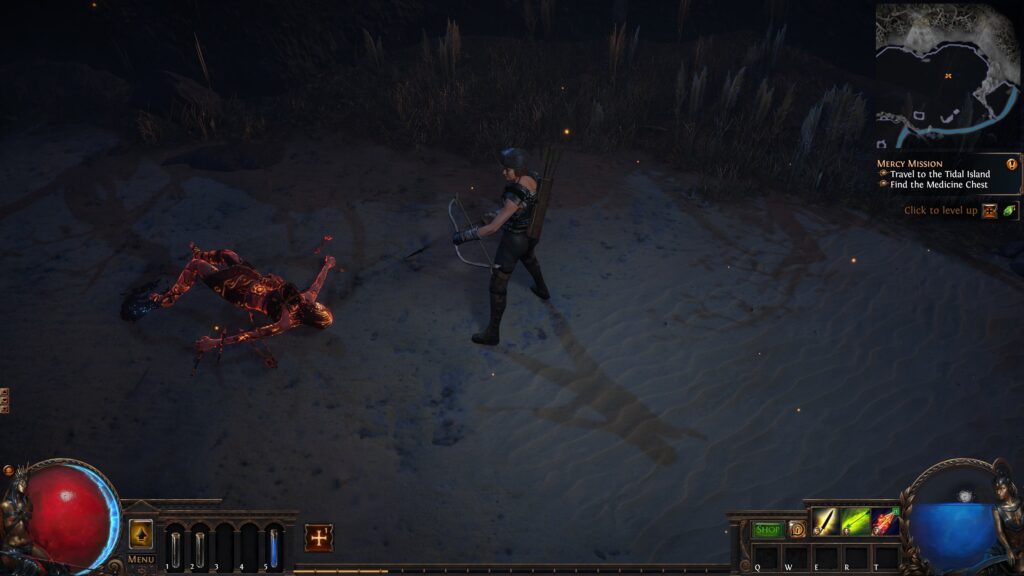
This directional commitment affects daily play habits, encouraging repetition within chosen systems while discouraging experimentation elsewhere. Players who rush these decisions without considering personal preference often find themselves locked into strategies that feel efficient but unenjoyable. By contrast, thoughtful early planning aligns rewards with interest, creating a foundation that sustains motivation across the league.
Opportunity Cost Embedded in Every Point
Every Atlas Passive point carries an opportunity cost that becomes more apparent as the tree fills out. Enhancing one mechanic necessarily means weakening another, forcing players to confront trade-offs between variety and focus.
This scarcity of points encourages specialization, rewarding players who commit fully rather than spreading investment thinly. Over time, these decisions shape not just efficiency, but identity. The Atlas becomes a reflection of how the player values time, challenge, and reward, turning passive allocation into a declaration of intent rather than a simple optimization exercise.
Compounding Returns Through Consistency
Strategic Atlas planning benefits from consistency. Repeated engagement with the same mechanics allows players to refine routes, recognize patterns, and optimize execution. These improvements compound quietly, reducing mental load and increasing return per hour without requiring constant adjustment. Players who frequently respec or chase trends often reset this learning curve repeatedly, losing efficiency despite theoretical gains. Long-term investment favors those who commit and refine, allowing small improvements to accumulate into significant advantages over time.
Strategic Factors That Define Successful Atlas Planning
Players who treat the Atlas as a strategic investment tend to consider several recurring factors before committing points.
- Alignment between preferred content and passive bonuses
- Consistency of rewards rather than peak profit potential
- Mental sustainability across long play sessions
- Adaptability to balance changes without full respecs
These considerations help ensure that the Atlas supports long-term engagement rather than short-term spikes.
Why Reactive Planning Often Fails
Reactive Atlas planning, driven by trends or external pressure, often leads to dissatisfaction. Players chase optimal strategies without fully understanding or enjoying them, resulting in frustration and frequent respecs. This reactive cycle disrupts flow and prevents mastery from developing.
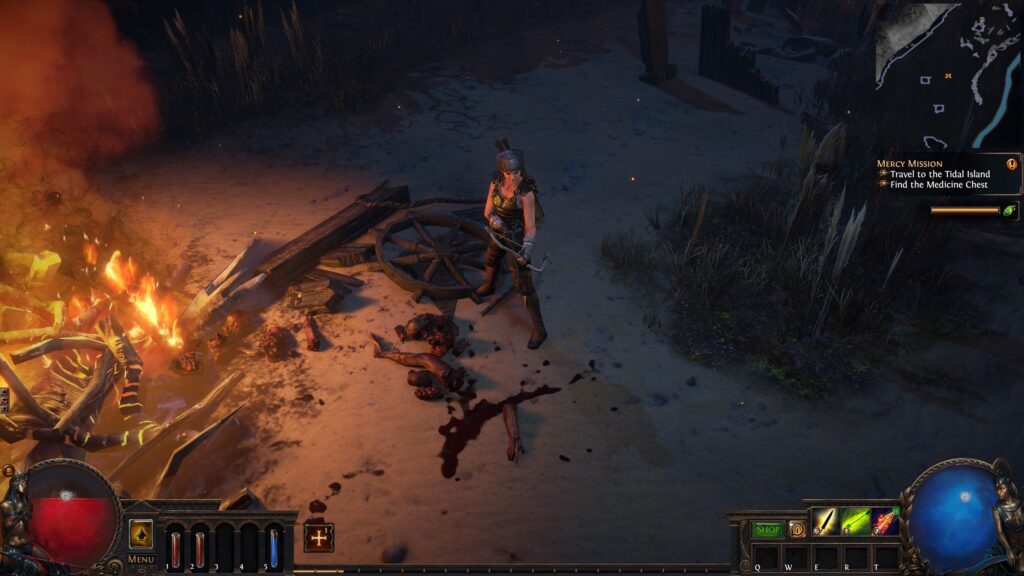
In contrast, deliberate planning accepts slower initial gains in exchange for stability and confidence. The Atlas rewards patience more than urgency, favoring those who invest thoughtfully over those who react impulsively.
Conclusion
Atlas Passive Tree planning functions as a long-term strategic investment that shapes how a league is experienced from start to finish.
By committing thoughtfully, accepting opportunity cost, and prioritizing consistency, players turn passive allocation into a foundation for sustained progress. In Path of Exile, the Atlas does not reward haste—it rewards intention.

Hey there, fellow exiles! I’m Amy Williamson, a relentless adventurer traversing the treacherous world of Wraeclast in Path of Exile. Armed with my mouse and keyboard, I navigate the gritty landscapes and unforgiving battles, seeking both power and redemption. As a passionate game journalist, I channel my fascination for the dark and intricate, sharing tales of triumph and strategy in the ever-evolving world of Path of Exile. Join me as we unravel the mysteries, master the mechanics, and carve our own legacies in the unforgiving sands of Wraeclast!
Leave a Reply